
How Do Different Accounting Firms Use AI in 2026
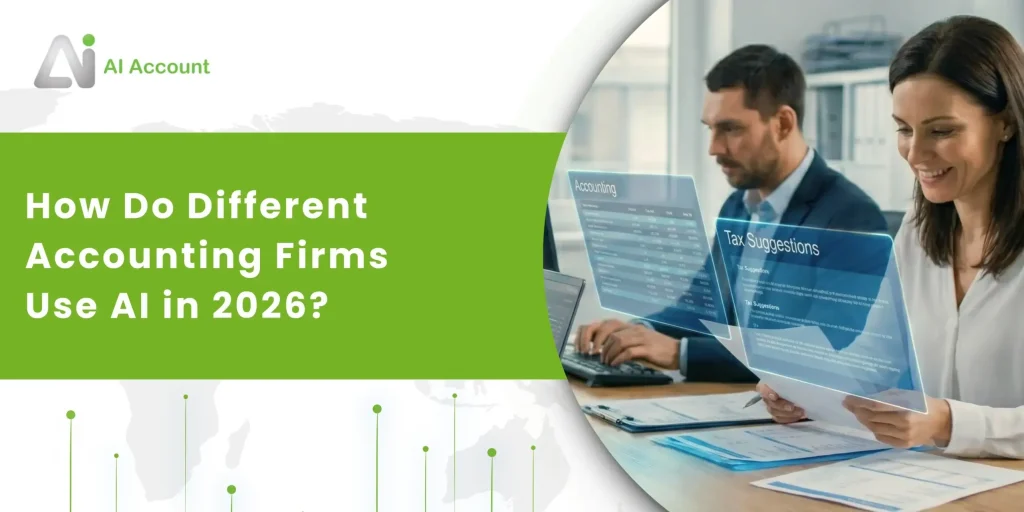
In 2026, AI in accounting is changing the way firms work. Artificial intelligence (AI), combined with cloud-based accounting is no longer optional for accounting firms, accounting automation has become a critical driver of efficiency and strategic decision-making. Tasks that used to take hours, like entering data, reconciling accounts, or creating reports, can now be done in minutes.
From small boutique firms to global enterprises, AI adoption is reshaping how firms operate, manage data, and deliver value to clients.
In this guide, you will learn how different accounting firms are actively implementing AI in their operations, driving efficiency, innovation, and excellence in the accounting industry.
- Why Is AI Essential for Accounting Firms in 2026?
- How Do the Big Firms Use AI in Accounting Operations?
- How Do Small and Boutique Firms Use AI in Accounting?
- How Do Firms Serving SMEs Apply AI for Accounting?
- Where Does AI Create the Most Impact in Accounting?
- Future Trends: What’s Next for AI in Accounting?
- Conclusion
- Frequently Asked Questions
Why Is AI Essential for Accounting Firms in 2026?
AI has become a critical part of modern accounting. Adoption among firms has jumped from around 9% in 2024 to over 40% in 2025, according to Wolters Kluwer’s 2025 Future Ready Accountant Report. Firms are using AI not just for routine tasks but also to enhance strategic advisory and client insights.
Modern AI tools help firms:
- Automate repetitive tasks such as data entry, invoice processing, and reconciliations
- Analyse large financial datasets for insights and trends
- Identify anomalies and potential fraud faster than manual methods.
- Provide predictive analytics for cash flow, risk, and financial planning.
This allows firms to shift focus from routine processing to strategic advisory, improving client satisfaction and business outcomes.
How Do the Big Firms Use AI in Accounting Operations?
1. Audit Automation
2. Advanced Analytics
3.Tax Optimization
4. Global Compliance
Track regulatory updates across 150+ jurisdictions to ensure consistent reporting.
Data Insight: Deloitte reports that over 75% of UK audit staff use AI tools monthly, and EY’s AI-driven services grew revenue by ~30% in 2025.
How Do Small and Boutique Firms Use AI in Accounting?
Small and boutique accounting practices use AI accounting solutions to provide personalised services once reserved for larger firms.
These firms focus on personalised client service, and AI helps them offer insights previously available only to large firms.
Applications in Small Firms:
Automated Bookkeeping:
Cloud-based AI platforms automate daily bookkeeping, reducing manual entry and human error. This allows accountants to spend more time on advisory work.
Client Insights:
AI tools analyse client financials to provide tailored recommendations, helping small firms offer value-added consulting.
Expense Tracking & Forecasting:
AI-driven analytics provide small firms with real-time cash flow monitoring and predictive forecasting, helping clients make better financial decisions.
According to Karbon’s State of AI in Accounting 2025 report, firms using AI save an average of 18 hours per employee per month, making small firms more competitive.
How Do Firms Serving SMEs Apply AI for Accounting?
Firms focused on small and medium-sized enterprises (SMEs) use AI to handle high-volume tasks efficiently while maintaining personalised services.
Key uses include:
- Automated Invoicing & Payments: Tracks client payments and sends reminders automatically.
- Tax Planning: AI identifies deductions and optimises tax filings.
- Fraud Detection: Flags suspicious transactions in real time.
- Payroll Automation: Reduces errors and saves time for clients
AI helps SME-focused firms deliver fast, accurate, and scalable services that growing businesses need.
Where Does AI Create the Most Impact in Accounting?
| AI Application | Use Cases | Benefits |
|---|---|---|
| Automated Data Entry | Processes invoices, receipts, and ledger entries automatically | Saves time, reduces manual errors, and increases operational efficiency |
| Financial Forecasting & Analysis | AI-driven expense tracking, predictive insights, and anomaly detection | Detects fraud faster, ensures compliance, and improves financial accuracy |
| Auditing Assistance | Performs full dataset audits and identifies anomalies in financial records | Enhances audit accuracy, shortens review cycles, and strengthens regulatory compliance |
| Invoice & Accounts Payable Automation | Generates invoices, sends reminders, and tracks client payments automatically | Speeds up cash flow, reduces admin workload, and boosts client satisfaction |
| Tax Compliance & Reporting | Optimises deductions, automates filings, and monitors tax regulation updates | Ensures accurate reporting, reduces compliance errors, and saves processing time |
Future Trends: What’s Next for AI in Accounting?
AI is changing accounting fast, and the next few years will bring even bigger improvements. Firms that use AI effectively will save time, reduce errors, and provide better client advice.
AI is transforming accounting, and the next few years will bring even bigger changes. Research shows that firms that embrace these innovations will save time, reduce errors, and provide more competent client advice. Here’s what to expect:
1. Predictive Analytics for Smarter Forecasts
2. Automatic Financial Reports
3. Stronger Fraud Detection and Security
AI can spot unusual transactions in real time, helping prevent fraud. At the same time, advanced security measures keep sensitive financial data safe from cyber threats.
4. Real-Time Financial Monitoring
5. AI and Automation Working Together
6. Personalised Client Insights
7. Smarter Compliance and Regulation
8. Preparing Talent for the AI Era
Research shows that accounting firms are upskilling their teams in AI and analytics. Accountants who understand AI tools can focus on strategic advisory rather than repetitive tasks.
By adopting these trends, accounting firms can work more quickly, reduce errors, provide better client advice, and remain competitive in the rapidly evolving financial environment.
Conclusion
In today’s fast-paced digital economy, AI has become an essential tool for accounting firms aiming to improve efficiency, accuracy, and client service. It enables firms to automate routine tasks, gain deeper financial insights, and provide smarter, data-driven advisory services.
At AI Account, we help firms leverage AI to transform their operations with ease. Our experts ensure that AI tools are implemented effectively, are compliant with regulations, and are customised to the way of working.
Whether you are a boutique firm, a mid-sized company serving SMEs, or a global enterprise, our AI specialists can guide you through adoption, integration, and ongoing support so your team can focus on delivering exceptional client value and growing your business confidently.
Let AI Do the Heavy Lifting
Recent Blogs

AI Account Participates in MIA International Accountants Conference 2026 in Kuala Lumpur

How AI is Changing the Way Small Businesses Manage Their Finances?

-
Tommy Teo
(Author)