
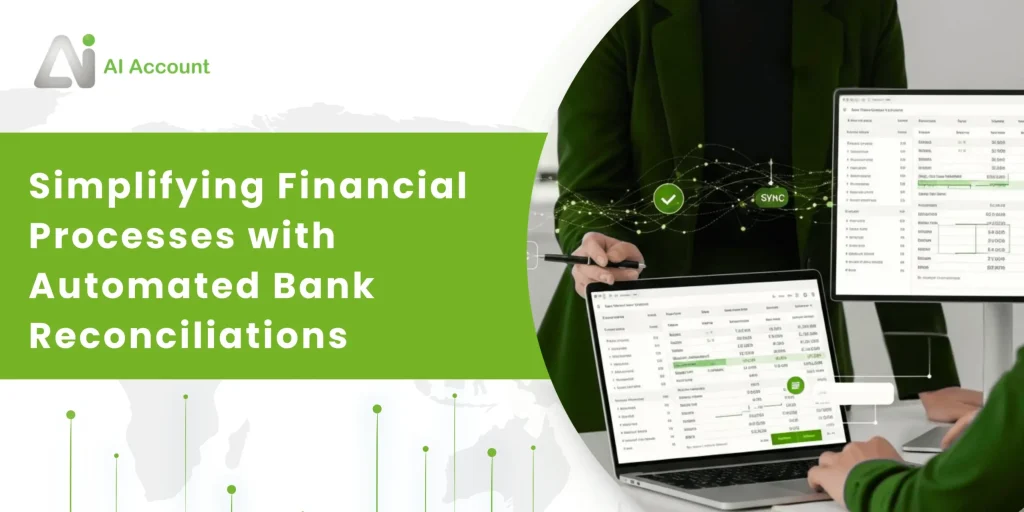
Simplifying Financial Processes with Automated Bank Reconciliations
Automated bank reconciliation is becoming critical as businesses process higher transaction volumes through digital payments and online banking. According to Oprimus Fintech, finance teams waste 30%-40% of their time on manual reconciliation when using traditional accounting systems, increasing the risk of errors and delayed reporting.
The shift toward automation is also being accelerated by government-led digital initiatives. Mandates such as e-invoicing in Malaysia under LHDN’s MyInvois framework and e-invoicing in Singapore require businesses to maintain consistent, auditable financial data. This guide explains how automated reconciliation works, why manual processes fall short, and how businesses can simplify financial operations using automation in 2026.
- What Is Financial Reconciliation?
- What Are the Challenges of the Traditional Bank Reconciliation Process?
- What Is Automated Bank Reconciliation?
- Key Features of Automated Bank Reconciliation Software
- How Do Automated Bank Reconciliations Simplify Financial Operations?
- Regulatory and Compliance Drivers Behind Reconciliation Automation
- Conclusion
- Frequently Asked Questions
What Is Financial Reconciliation?
Financial reconciliation is the process of comparing internal accounting records with external financial statements, such as bank statements, to ensure accuracy and consistency. It helps businesses confirm that all transactions are recorded correctly and that there are no discrepancies caused by errors, omissions, or fraud.
In practice, bank reconciliation involves matching deposits, withdrawals, fees, and payments recorded in the accounting system with those reported by the bank. This process is essential for maintaining reliable financial statements, accurate cash flow reporting, and audit readiness.
Modern accounting software has made reconciliation for businesses an ongoing control mechanism that guarantees transparency and financial integrity rather than a periodic task.
What Are the Challenges of the Traditional Bank Reconciliation Process?
Time-Consuming and Resource-Heavy Processes
Increased Risk of Errors and Inconsistencies
Lack of Real-Time Financial Visibility
What Is Automated Bank Reconciliation?
Automated bank reconciliation uses accounting software to match bank transactions with accounting records, leveraging predefined rules and intelligent matching logic.
Automated systems have direct connections to bank feeds and payment platforms, thus constantly reconciling transactions as they occur. This not only removes the requirement for human labour but also ensures that the records are always current.
In modern cloud accounting software, automation is often enhanced with AI and rule-based workflows, enabling faster reconciliation, improved accuracy, and better financial control.
Key Features of Automated Bank Reconciliation Software
1. Automated Bank Feeds and Transaction Matching
2. Intelligent Exception Handling
3. Real-Time Dashboards and Reporting
4. Audit Trails and Compliance Support
How Do Automated Bank Reconciliations Simplify Financial Operations?
Faster Financial Closing
Improved Cash Flow Management
Scalable Finance Operations
Regulatory and Compliance Drivers Behind Reconciliation Automation
Regulatory requirements are the primary driver of automated reconciliation. Governments in the Asia-Pacific area are gradually deploying digital tax and reporting systems. The e-invoicing obligations in Malaysia through the MyInvois system of LHDN and in Singapore through InvoiceNow for companies necessitate excellent, trackable, and auditable financial records.
Automated reconciliation aligns bank data, accounting, and e-invoicing records, reducing compliance risks and improving audit readiness. Automation keeps financial governance future-proof as regulations change continuously.
Best Practices for Implementing Automated Bank Reconciliation
1. Choose the Right Accounting Software
2. Standardise Reconciliation Rules
3. Maintain Oversight and Controls
Common Mistakes to Avoid When Automating Bank Reconciliation
Automated systems handle increasing transaction volumes, multiple bank accounts, and multi-entity operations without adding complexity or headcount.
1. Skipping Standardised Reconciliation Rules
2. Ignoring Exception Reports
3. Using Disconnected Systems
4. Neglecting Periodic Oversight
5. Not Updating Rules as Business Grows
Conclusion
Switching to automated, cloud-based accounting software is one of the most strategic decisions a business can make today. It reduces manual errors, simplifies workflows, and delivers accurate, real-time financial data that empowers better control and smarter decision-making.
With automated bank reconciliation, instant reporting, and built-in compliance, businesses can eliminate the stress of missed deadlines and inaccurate records.
This allows finance teams to focus on high-value activities that drive growth and strategic planning. If your organisation is still relying on spreadsheets or legacy systems, now is the time to adopt a digital, innovative approach. With guidance from AI Account, implementing the right accounting solution is seamless, efficient, and future-ready.
Switch to Smarter Online Accounting Software for Simplified Financial Reporting
Recent Blogs
AI in Accounting 2026: Automation to Advisory Services

A User-Friendly Approach to Tailored Financial Solutions

The Advantage of a Private Cloud: AI Account’s White Label Package

-
Tommy Teo
(Author)